
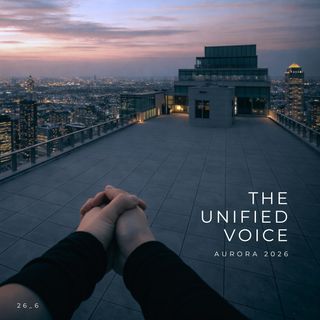
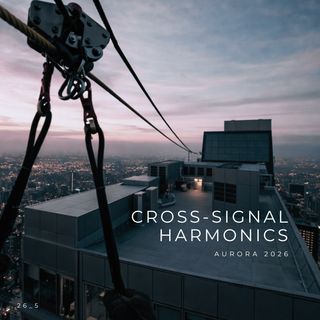
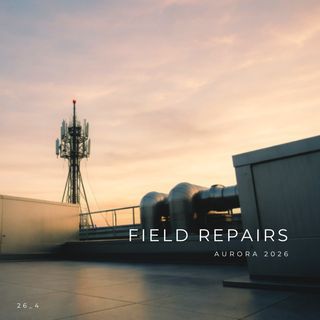
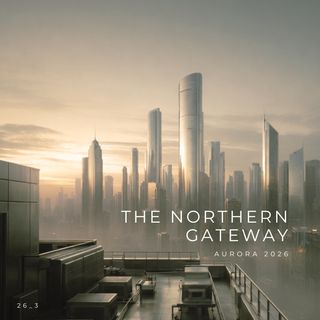
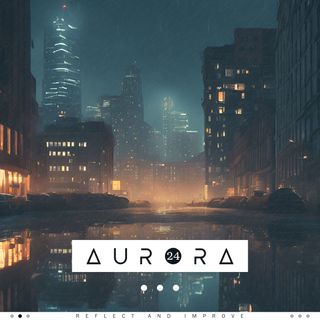
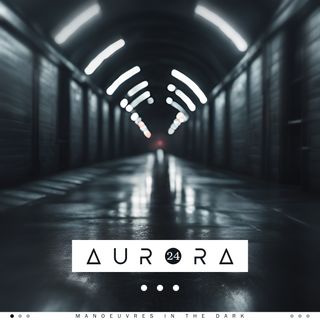
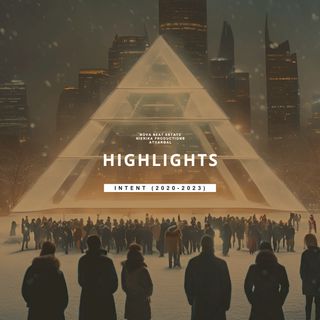
Aurora Compilations is built from real contributions by independent artists.
Each track arrives with its own intent, history, and sonic logic. Nothing is requested to "fit" a storyline, and no one is asked to align with a shared aesthetic ideology. The compilations are curated as corridors: sequences where independent pieces begin to form momentum across volumes and across years.
Alongside the music, Aurora includes a companion narrative. It does not replace the tracks, and it does not claim to speak for contributors. Think of it as a listening frame: a way to give continuity to the series and to make the project's themes legible: agency under constraint, signal that survives distortion, movement through a noisy system.
Aurora is not a "community" moving in one unified direction, and not a "scene" with a single doctrine. It behaves like a field: autonomous actors who enter and exit over time, sometimes recurring, sometimes disappearing, sometimes returning in different form. Patterns emerge anyway: through sequencing, through repeated names, through shifting moods, through the way a year's constraints shape what gets made.
Because of that, this page isn't a roster in the traditional sense. It's a map.
If you want to go deeper, use the Structural Views:
And if you appreciate Aurora, the best support is always direct: follow the artists you discover here, buy / share their work, and engage on their terms. Aurora persists because contributors keep making signal, and because listeners keep noticing it.